
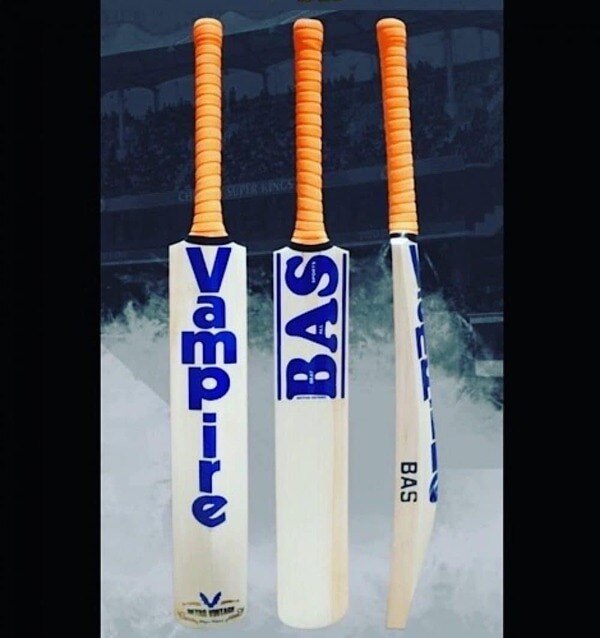
Choosing a BAS Vampire bat involves more than accepting the model name, advertised weight or English willow label. You need to match the individual bat’s profile, pickup, size, preparation and condition to the player before deciding whether it suits your game and budget.
Key takeaways
- Treat Vampire as a BAS range, not a single bat profile.
- Match bat size and pickup to the player’s height, strength and stroke style.
- Reject bats with structural cracks, loose handles or serious edge damage.
- Inspect the exact bat, then knock in and oil it before match use.
What the BAS Vampire profile means for shot-making
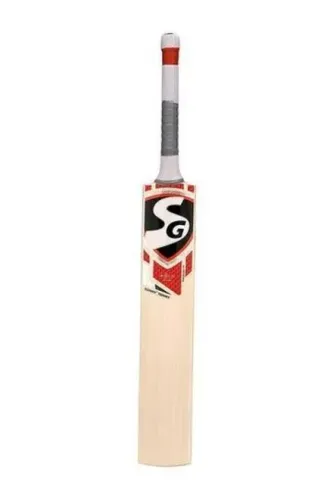
“Vampire” identifies a BAS range, not one fixed playing profile. A BAS Vampire cricket bat can differ in blade shape, spine position, edge thickness, handle and preparation, so do not predict its stroke response from the model name alone.
1. Check the actual bat’s profile and ask where the sweet spot sits. A low sweet spot suits front-foot drives and fuller-length bowling; a mid or high sweet spot helps back-foot shots and players who face shorter pitches.
A taller spine and thicker edges can increase hitting power, but they also alter pickup and may make the bat feel blade-heavy.
2. Examine the bow, which is the controlled curve from handle to toe. Moderate bow can help lift the ball through drives, while excessive bow can make defensive strokes and straight-bat play feel less natural. Compare the blade shape against your stance and usual contact point, not against a photograph.
3. Hold the bat and shadow-bat it. A listed 1,150–1,180 g bat is about 2.5–2.6 lb; a 2.8 lb bat is roughly 1,270 g, but spine placement and handle mass can make the heavier bat feel easier. Confirm the actual dead weight, balance, edge thickness, spine height and handle type on the selected piece.
4. Verify its dimensions and legality: total length no more than 96.52 cm, width no more than 10.8 cm, blade thickness no more than 6.7 cm and edges no more than 4.0 cm. This cricket bat buying guide test prevents assumptions about variants, especially if you are a junior, front-foot player or power hitter.
How to match weight, pickup and size to the player
A listed 1,150–1,180 g full-size bat will suit the player only if they can control its pickup, not merely lift it on a weighing scale. That range equals roughly 2.54–2.60 lb; confirm the actual bat’s dead weight because a catalogue range can cover several variants.
| Option | What it feels like | When it applies |
|---|---|---|
| Full-size, 1,150–1,180 g | Longer reach and more hitting area, but greater demand on wrists and timing | A taller player who lifts the bat cleanly into a straight drive without tightening the grip or using the bottom hand |
| Harrow | Shorter blade and handle with easier control | A growing junior or shorter player who struggles to get the full-size toe down and the hands into position |
| Smaller junior size | Lowest reach and weight demand | A child whose stance, reach or bat swing breaks down with a Harrow |
Stand in your normal stance and play several shadow straight drives. The toe should reach the ground without stretching, the handle should stay secure without a forced grip, and the bat should start forward without your shoulders leaning back. A blade-heavy 1,150 g bat can feel harder than a well-balanced 1,180 g bat.
Choose the smaller size when the player repeatedly contacts the toe, mistimes basic drives or cannot recover the bat quickly. Choose full-size only when height, reach and control agree; age alone is a poor sizing rule.
This cricket bat buying guide matters when comparing an English willow cricket bat in Bangalore, where the exact bat deserves an in-hand pickup check.
How to judge willow quality, grains and visible faults
Grade is a commercial label, not a universal performance guarantee. “Grade 1” from one seller may not match another’s grain, knot or blemish rules, so judge the individual cleft rather than paying for the number. A bas vampire cricket bat with fewer grains is not automatically weaker or less powerful.
1. Check the grain pattern. Straight, evenly spaced grains show careful cleft selection and often support consistent feel, but grain count alone cannot predict rebound, pickup or lifespan. Compare two bats with similar grains; spine position, balance and pressing can make them perform very differently.
2. Look for knots, butterfly marks, colour patches and filled cracks. Small natural specks on the back can be cosmetic; a deep knot, open fibre, edge split or mark running into the toe is a durability warning. Ask whether a blemish is covered by the seller’s warranty.
3. Ask how the bat was pressed. Adequate pressing compresses the willow for usable rebound and resistance to dents; excessive pressing can produce a hard, muted face, while insufficient pressing leaves it vulnerable. “Hand-selected” does not prove either result.
4. Check moisture through weight and feel, not touch alone. Excess moisture makes a bat unusually heavy and can contribute to movement or cracking as it dries; an over-dry blade feels light but can be brittle. Record the exact dead weight before comparing prices.
The best-priced BAS Vampire option is the one with sound fibres, suitable pressing and manageable pickup, not simply the cleanest grain display. Ask for the cleft grade definition, preparation status and return terms before paying.
How to inspect the actual bat before paying
Photographs cannot show whether the bat you hold is straight, stable or tiring. At a BAS Vampire English Willow bat cricket store in Bangalore, ask to inspect the exact piece—not another bat from the same model—and record its scale weight.
Sight down the edge from toe to splice; reject obvious twist, a leaning handle or a face that bows sideways.
Use your usual gloves and shadow-bat in your normal stance. The right bat clears your toe without forcing you upright, and your top hand should control the lift into a straight drive. If the bottom hand takes over or the bat feels slow despite a light scale reading, choose another piece.
- Hold the handle firmly and twist the blade gently. Any movement, rattle or creaking at the handle, splice or shoulders needs an explanation.
- Inspect the toe, edges, shoulders and face under bright light. Look for open cracks, lifted fibres, deep dents or a split beside the splice.
- Place the bat flat on the floor. A rocking toe or visible gap under the blade indicates uneven shaping; ask whether the surface is intentionally bowed before accepting it.
| Check | Pass sign | Stop or clarify |
|---|---|---|
| Handle and splice | Firm, silent and aligned | Rattle, wobble or separation |
| Face, toe and edges | Clean, sealed and symmetrical | Open crack or crushed corner |
| Length, width and cover | Matches the stated specification and supplied protection | Unexpected dimensions or missing cover |
At Puntu Sports, a cricket store in Whitefield, compare two actual bats with the same gloves and stance; pickup differences matter more than the model name.
Related product
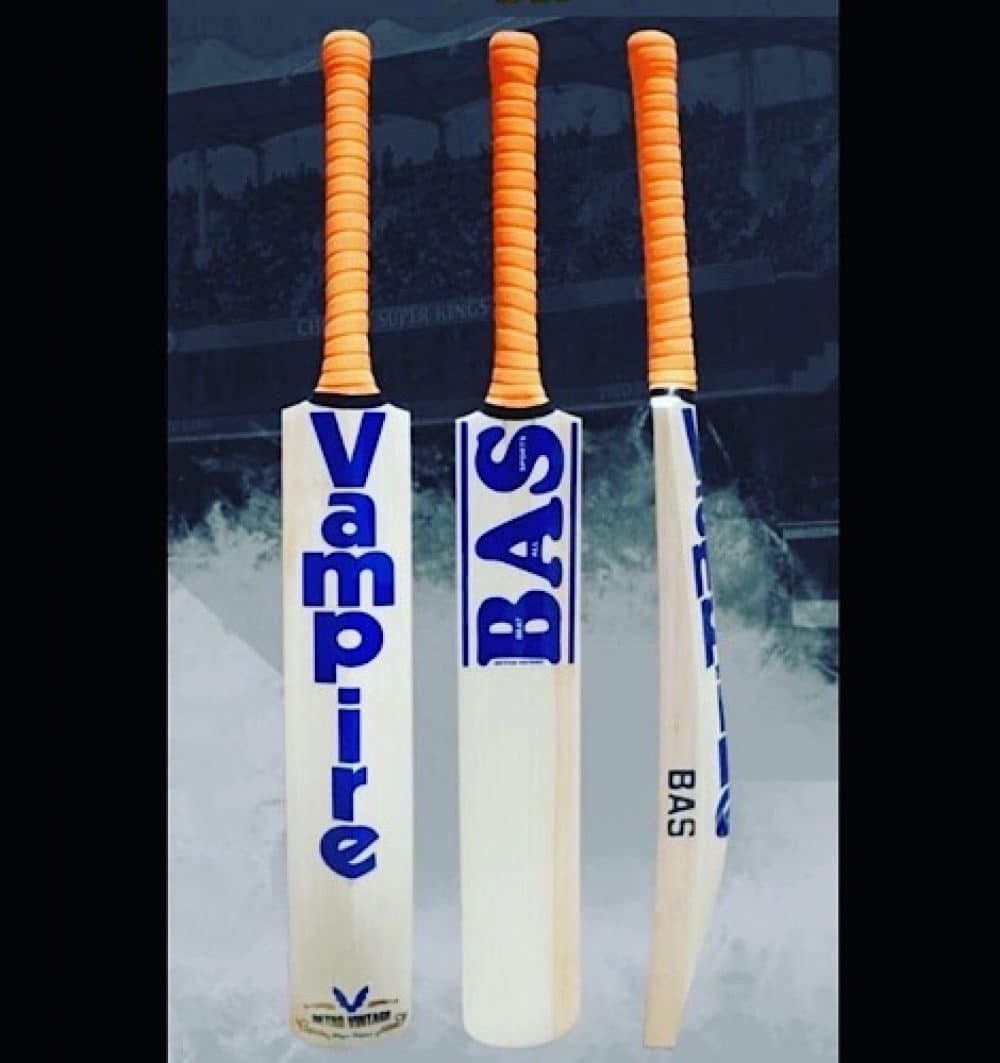 | CRICKET BAT ENGLISH WILLOW BAS Vampire Retro Vintage Legend English Willow Cricket Bat Size - Full ( 85 cm ) Willow - English Weight - 1150 -1180 gms Full Cover View product → |
What preparation and care the bat requires after purchase
Do not take the bat into a high-pace net until the seller confirms the preparation status in writing. “Knocked-in” is not a uniform label, so ask what was done: pressing, oiling, face preparation, edge and toe protection, and the number of mallet hours.
| Status | How to identify it | What to do next |
|---|---|---|
| Fully prepared | The face feels firm and even, with no loose fibres; gentle taps with an old leather ball produce a solid response without sharp cracking sounds | Begin with controlled throwdowns, then increase pace |
| Partially prepared | The middle is prepared but the toe, edges or splice remain vulnerable, or the seller specifies limited preparation | Finish those areas before hard practice |
| Unfinished | No preparation record, a fibrous or rough face, or exposed vulnerable edges and toe | Apply the maker’s preparation instructions and knock it in gradually |
Fit a toe guard and use an anti-scuff sheet, but do not treat either as armour. The cover can hide cracks, so inspect the toe, edges, splice and handle regularly. A cricket bat buying guide should also warn against excessive oiling: use only the amount specified by the maker.
Store the English willow cricket bat in Bangalore horizontally in a cool, dry, ventilated room, away from heaters, direct sun, damp floors and a hot car. Wipe off moisture after play, never leave it in a closed kit bag, and stop using it if the handle loosens, the toe swells or a crack grows.
Frequently asked questions
What does the BAS Vampire profile mean for shot-making?
Vampire identifies a BAS range rather than one fixed profile. Compare the actual bat’s spine position, blade shape, edges, handle and preparation before predicting its stroke response.
How do I choose the right BAS Vampire bat weight and size?
Choose a size based on the player’s height and playing level, then test pickup with the bat held in the normal stance. Select the heaviest bat you can lift, control and swing without slowing your stroke.
How can I judge English willow quality and visible faults?
Inspect the grain pattern, toe, edges, shoulders, splice and handle. Reject a bat with structural cracks, an open splice, loose handle, severe compression damage or a damaged toe.
What should I inspect before paying for a BAS Vampire cricket bat?
Ask to see the exact bat, check its stated weight and size, roll the blade on a flat surface, inspect both faces and edges, and test the handle for movement.
What preparation and care does an English willow bat need?
Confirm whether the bat is factory-prepared, then follow the seller’s instructions for knocking in. Keep it dry, store it in a bat cover, inspect the toe and edges, and stop using it if a crack grows.