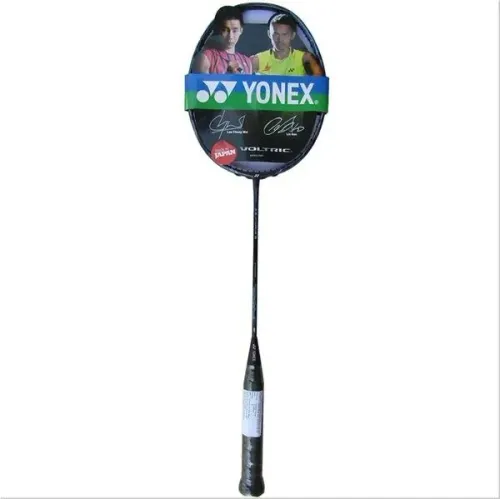

The phrase “SS bats Yonex for Voltric racket problem in Bangalore” combines cricket-bat and badminton-racket terms, so the first task is identifying the equipment before diagnosing it. By following the inspection, identity, and stringing checks below, you can separate cosmetic wear from unsafe damage and decide whether a Voltric Z Force II needs a grommet repair, restringing, or immediate withdrawal from play.
Key takeaways
- Identify cricket bats by their broad willow blade and badminton rackets by their stringed oval head.
- Inspect the Voltric frame, shaft, T-joint and handle before testing it.
- Treat an unstrung racket as incomplete until suitable strings and tension are fitted.
- Use post-stringing cracks, distortion or loose joints as reasons to stop playing.
First identify whether you have an SS cricket bat or a Yonex badminton racket
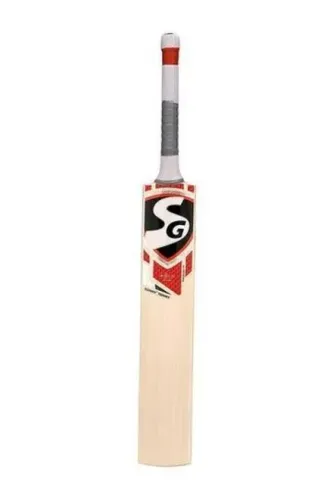
Before inspecting equipment, classify it by its construction: an SS cricket bat has a broad willow blade, solid striking face, short handle and grip; a Yonex Voltric badminton racket has a narrow oval head, string bed, long shaft, T-joint and racket handle.
The search phrase “ss bats yonex for voltric racket problem in bangalore” combines two unrelated products. A cricket bat is designed to hit a cricket ball; a badminton racket is designed to hit a shuttle. Do not diagnose a string, grommet or frame issue on a bat.
1. Check for strings. A mesh of tensioned strings confirms a badminton racket; a flat willow blade confirms a cricket bat.
2. Read the markings. Look for Yonex and the exact Voltric model, plus a weight class such as 3U or 4U and the grip size. “SS” commonly identifies cricket-bat products, so an SS label does not establish that you have a Yonex racket.
3. Match the request to the equipment. “SS bats in Bangalore” is a cricket-bat query; a Voltric racket problem requires racket-specific details, including serial markings, invoice and photographs of the frame and grommets.
4. Stop before service if the category remains unclear. A Bangalore seller’s location does not prove authenticity or warranty eligibility, and a cricket-bat repair approach cannot diagnose a badminton racket.
Inspect the frame, shaft and joints before you test the racket
A paint chip is usually cosmetic when it is shallow, isolated and leaves the carbon surface hard, smooth and unchanged underneath. It does not alter the head shape, shaft alignment or racket response.
A crack that follows the frame, widens around a grommet or produces a new click is structural damage; stop playing and do not mount the racket for restringing.
For badminton racket troubleshooting, inspect an unstrung racket mechanically rather than judging its string-bed feel:
- Rotate the frame and check symmetry, especially at the 2-, 5-, 7- and 10-o’clock positions.
- Run a fingertip lightly over chips and lines; a groove, raised edge or spreading line is not ordinary paint wear.
- Sight along the shaft for bending, dents or a split near the shaft junction.
- Hold the head and handle separately, then check for movement at the T-joint, butt cap or grip.
- Confirm every grommet is present, seated and not cut through.
| Sign | Cosmetic damage | Structural fault |
|---|---|---|
| Frame | Small surface chip; shape unchanged | Crack through carbon; distorted head |
| Shaft | Paint scuff; shaft remains straight | Bend, dent or splitting |
| Joint or sound | No movement or new noise | Loose T-joint, clicking or vibration |
Do not test a visibly cracked or deformed racket by hitting or stringing it; machine loads can turn a small fracture into a complete break.
Match the symptom to the right Voltric Z Force II diagnosis
Match the exact symptom to the fault before touching the strings. A Yonex Voltric Z Force II problem needs a different response for a replaceable grommet than for damaged carbon.
- Cracked frame: Stop playing. A line through the carbon, especially around the head or grommet holes, is structural damage; do not cover it with paint or restring it for high-tension play.
- Damaged grommet: Replace any split, missing, sharp-edged or sunken grommet before restringing. Otherwise, the string rubs against carbon and breaks early.
- Loose butt cap: Hold the handle and shake it gently. A moving cap or rattle points to handle-end looseness, not automatically to a broken frame; have the cap secured before play.
- Distorted head: Compare both sides and check whether the frame remains symmetrical. A narrowed, widened or twisted head means the racket has lost its designed shape; stop playing and do not force it back.
- Abnormal sound: A new click, rattle or creak from the shaft, T-joint or head is a stop signal. Inspect for a spreading crack or loose joint instead of testing it with harder shots.
- Repeated string breakage: Note the exact break point. Breaks beside one grommet suggest local abrasion; breaks near the centre suggest off-centre impact or normal wear, but inspect the grommet before another restring.
A paint chip alone is cosmetic when the carbon underneath is smooth and intact. Photograph the fault and record its location before seeking an assessment.
Treat an unstrung Voltric as an unfinished racket, not a faulty ready-to-play one
An unstrung Voltric has no installed strings, so it is not ready to play. The frame, grommets and shaft may be perfectly sound; missing strings alone do not prove a fault.
For unstrung badminton racket help, inspect every grommet first: a split, missing or sharp-edged grommet can cut the new string and expose the carbon frame to abrasion.
String choice and tension create different trade-offs:
| Choice | What it provides | Risk or application |
|---|---|---|
| Durable, thicker string | Greater resistance to mishits and abrasion | Firmer, less lively response; useful for frequent breakage |
| Thin, high-repulsion string | Sharper response and easier length | Breaks sooner after off-centre hits |
| Lower tension | Larger sweet spot and lower frame stress | Less crisp feedback; safer for an older, damaged or unverified racket |
| Near the printed maximum | Firmer control for consistent hitters | Smaller sweet spot and greater consequences from mishits |
| Higher than the printed maximum | No legitimate performance advantage | Do not allow it; frame damage becomes more likely |
Treat the printed tension range as a ceiling, not a target. Tell the stringer the racket’s age, condition, playing level and previous string history, then ask for the string model, tension and one-piece or two-piece method to be recorded.
Choose a stringer who checks grommets, uses calibrated equipment and stops when the frame shows cracking, distortion or loose joints; a new string cannot make structural damage safe.
Verify the racket’s identity without trusting one marking alone
A serial number alone does not prove that a racket is genuine, undamaged or covered by warranty. Build one evidence file before removing strings, replacing grommets or handing over the Voltric Z Force II.
1. Photograph the complete racket, cone, shaft, butt cap, frame faces, grommets and any cover. Include close-ups of paint chips, cracks, dents, loose parts and string breaks.
2. Record the exact printed model name, weight class such as 3U or 4U, grip size, colour, every serial or code marking, and the racket’s current string and tension if known.
3. Write a dated condition note: where the symptom appears, when it started, whether the racket suffered a clash or fall, and whether it plays differently from a known-good racket. Head-heavy balance and a stiff shaft can feel slow or tiring without indicating a defect.
4. Save the invoice, order confirmation, payment record, seller’s name, purchase date and any prior service receipt. A Bangalore seller’s address does not establish authenticity or warranty eligibility.
5. If Puntu Sports inspects or strings it, ask for the written diagnosis, photographs and stringing details to stay with this file.
Describe the fault precisely—cracked frame, damaged grommet, loose cap or abnormal vibration—not as a vague “Yonex problem.”
Related items
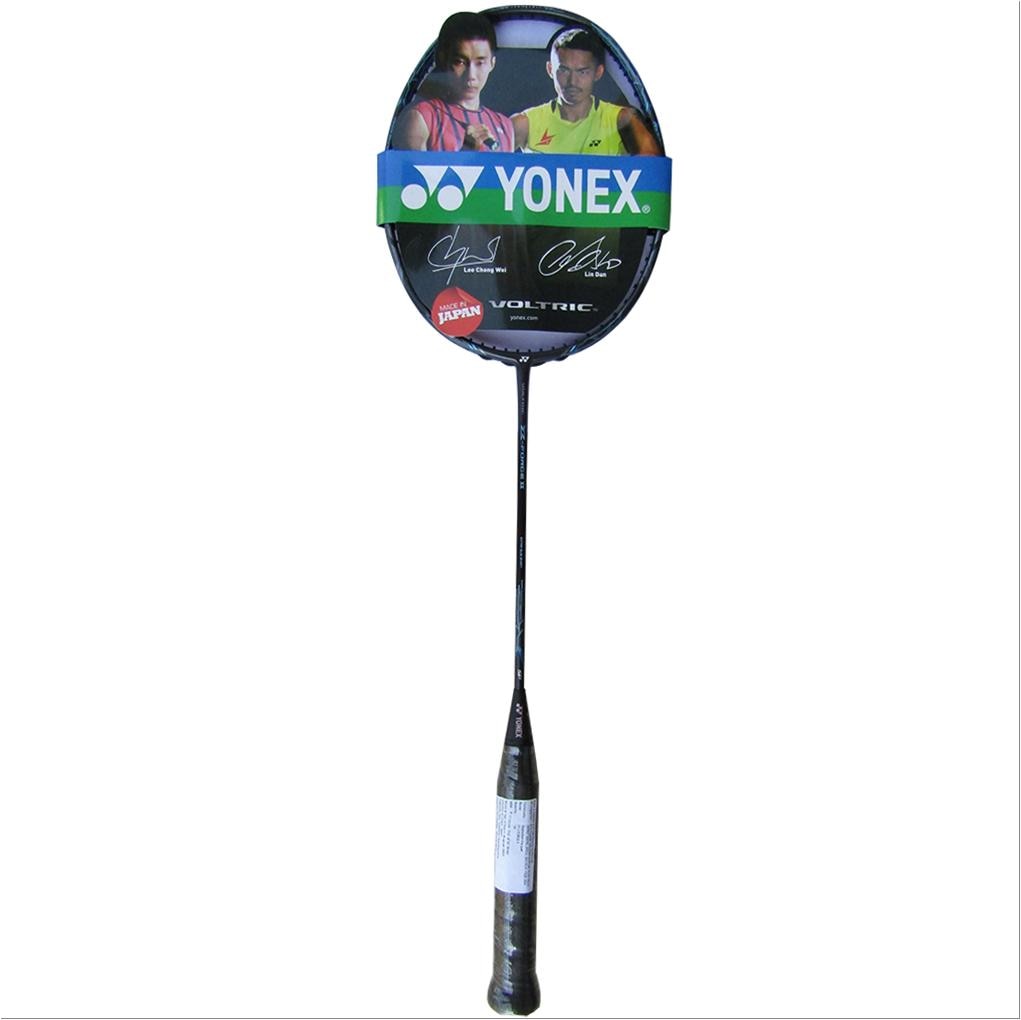 | BADMINTON RACQUETS Yonex Voltric Z Force II Badminton Racket (Unstrung) UN STRUNG Expertise Level Advanced Weight 4U ( Avg. 83gm) Stringing Advice 4U 20-27 lbs Colour Black/Blue Manufacturing Made in Japan Cover Full... View product → |
Badminton Gutting We have automatic gutting machine to give high tention as per requirement. View service → |
Use the post-stringing evidence to decide whether to keep playing
Record the post-stringing baseline before playing:
- String model and stated tension
- Stringing date
- One-piece or two-piece method
- Machine used, if available
- First break’s exact location
- Photos of the frame, grommets and string bed
A break at a sharp, split or missing grommet points to local abrasion, not automatically a faulty racket; replace the grommet before restringing. A break near the centre of the hitting area fits repeated off-centre impact or ordinary string wear, especially when the frame remains straight and undamaged.
Brief vibration after a mishit or a change in string tension does not prove a defect. Stop playing if vibration persists across clean hits, or if it accompanies a frame crack, shaft bend, loose T-joint, distorted head or movement at the handle.
Handling difficulty can be normal for the Voltric Z-Force II: its head-heavy balance and stiff shaft demand stronger timing and faster swings. Compare it with a known-good, even-balanced or flexible racket; if the discomfort disappears, treat it as a fit issue rather than a racket failure.
Frequently asked questions
How can you tell an SS cricket bat from a Yonex badminton racket?
An SS cricket bat has a broad solid willow blade, short handle and grip. A Yonex Voltric racket has a narrow oval frame, string bed, long shaft, T-joint and racket handle.
What should you inspect before testing a Yonex Voltric racket?
Check the frame for cracks or distortion, inspect the shaft for bends, examine the T-joint for movement, and check the handle and grip for looseness.
Is an unstrung Voltric badminton racket faulty?
No. An unstrung racket is unfinished and cannot be tested as a ready-to-play racket until strings are installed at a suitable tension.
How do you decide whether to keep playing after stringing?
Stop playing if you find a new crack, frame distortion, a loose T-joint, shaft damage or unusual movement after stringing. Compare the racket’s identity markings and keep the stringing details for assessment.