
A racquet that feels easy to lift is not automatically easy to control during fast academy drills. You need to compare its measured weight, head response, shaft flex, grip and string setup with the player’s age, level and training demands before choosing it.
Key takeaways
- Expect quick handling, but a heavier finished racquet after strings and overgrip.
- Choose it for developing players who value speed over maximum stability.
- Match string tension and grip size to training comfort, not headline specifications.
- Test two strung racquets before buying because balance and feel vary.
What the “Light” Specification Feels Like on Court
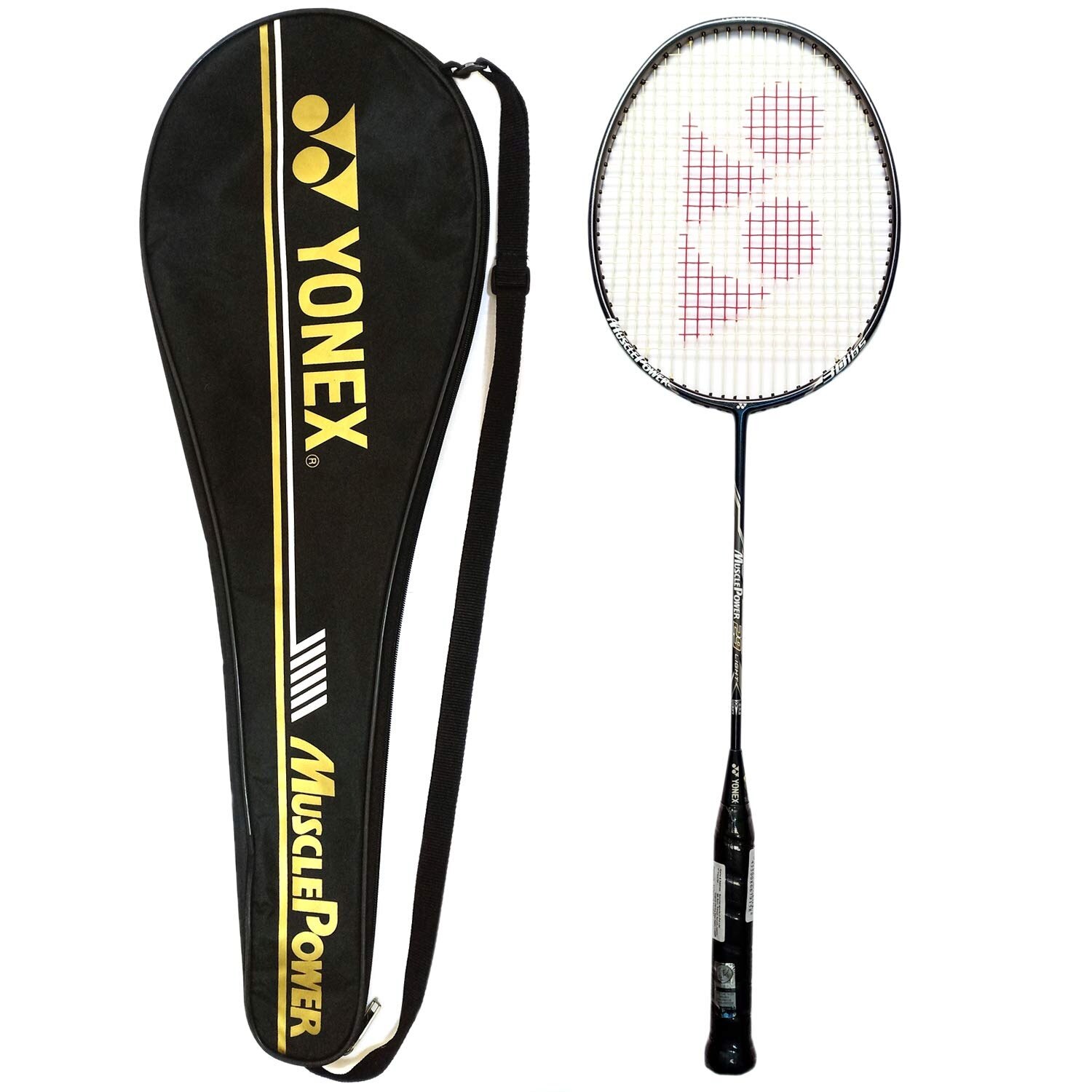
At roughly 75–79 g unstrung, the Yonex Muscle Power 29 Light feels easy to raise and reposition. Add strings and an overgrip, and the finished racquet weighs more, but it remains quick during preparation for clears, lifts and net interceptions.
The trade-off appears on off-centre contact: a 4U or 3U frame offers more resistance, while this 5U frame can twist or lose power when timing is poor.
| Movement | What the specification feels like | The trade-off |
|---|---|---|
| Overhead clear | A flexible or medium-flex shaft bends and helps produce length without perfect arm speed. | Too much wrist action can make the shuttle travel inconsistently. |
| Smash | The head-heavy balance adds momentum once the racquet is moving. | Recovering for the next shot takes longer than with an evenly balanced frame. |
| Defence and drives | Low static weight makes forehand-to-backhand changes fast. | The head can arrive late in rapid exchanges, especially in doubles. |
| Net play | Quick preparation helps with short lifts, blocks and interceptions. | A tight grip can reduce the touch the light frame should provide. |
Do not judge “Light” by lifting the racquet once. Shadow-swing defensive changes, repeat net lifts and hit controlled clears; if you squeeze the handle to stop wobble, the frame is too demanding despite its low weight.
A Yonex Muscle Power 29 Light badminton store listing should state whether its quoted weight is unstrung or strung, because strings, grip and tension change the court feel.
Which Academy Players Benefit—and Who Will Outgrow It
Its best role is as a badminton racquet for sports academy beginners who need quick preparation more than maximum stability.
At roughly 75–79 g before strings, the 5U Muscle Power 29 Light helps smaller juniors and new players repeat overhead movements without tiring as quickly, but off-centre hits lose more power than they would with a 4U or 3U frame.
| Player group | Fit | Why |
|---|---|---|
| Juniors | Good starting choice | Easier to manoeuvre during learning, provided the grip is not too large. |
| Beginner batches | Good | Supports defence, drives and overhead preparation while technique develops. |
| Intermediate squads | Conditional | Works for lighter players, but stronger hitters may find the head unstable and clears or smashes lacking. |
| Singles players | Conditional | Useful for developing movement and stroke timing; advanced singles play usually rewards greater plough-through. |
| Doubles players | Good for developing players | Fast defence and front-court exchanges benefit from low weight, while hard rear-court hitting can expose its limited stability. |
A stronger intermediate player can outgrow it when repeated mishits twist the frame, clears fall short despite sound contact, or the player must swing harder to produce length. That is the point to test a heavier 4U model, rather than compensating with a tight grip or excessive effort.
It is also not automatically injury-proof. Relaxed gripping, early preparation and a consistent contact point matter more than choosing the lightest racquet available. For an academy using one model across all squads, this racquet is too narrow a choice; keep a heavier alternative for progressing players.
Choose the String and Grip for Training, Not Just Maximum Tension
Start at 20–24 lb rather than chasing the frame’s maximum rating. Higher tension shrinks the sweet spot, so an academy player with inconsistent contact will feel sharper vibration, shorter clears and more mishits.
Choose a thicker, durable string around 0.68–0.70 mm for frequent drills; use a thinner repulsion string only when contact is reliable and restringing costs are acceptable.
| Setup | String and tension | Best fit |
|---|---|---|
| Durability-first | 0.68–0.70 mm nylon at 20–22 lb | Beginners, juniors and high-volume training |
| Balanced training | 0.66–0.68 mm string at 21–24 lb | Developing players with consistent contact |
| Repulsion-focused | 0.65–0.66 mm string at 23–24 lb | Stronger intermediates who accept faster breakage |
Grip size matters as much as tension. A grip that is too small makes you squeeze to stop the racquet twisting; one that is too large restricts finger changes and tires the forearm. Start with the supplied grip, then add one thin overgrip rather than several thick layers.
Hold the handle loosely during preparation and tighten only at impact.
Ask for the installed string, tension, supplied grip size and strung weight before comparing listings. Check worn grommets, frame deformation and clash marks before restringing; off-centre hits and damaged grommets break strings faster than a high maximum-tension label does.
How to Test Two Actual Racquets Before Buying
Take two actual racquets onto the court, not two catalogue entries. Use the same shuttle, string tension and grip setup if possible; different overgrips or strings can make identical models feel unrelated.
- For speed, perform 20 defensive blocks, 20 drives and repeated overhead preparations. Choose the frame that reaches ready position without dragging your wrist or making your elbow tense.
- For stability, hit 20 clears and drives from the centre of the string bed, then deliberately test slight off-centre contact. Reject the racquet that twists sharply, vibrates painfully or produces a weak, unpredictable shuttle.
- For comfort, use each racquet through footwork, multishuttle and overhead drills for at least 30 minutes. Note forearm tightness, fingertip numbness, shoulder fatigue and declining timing; comfort that disappears halfway through training is not a buying advantage.
| Test | Good sign | Warning sign |
|---|---|---|
| Speed | Quick recovery between drives and defence | Late preparation or forced wrist action |
| Stability | Face stays square on mishits | Frame twists or shuttle response changes sharply |
| Session comfort | No pain after repeated overheads | Wrist, elbow or shoulder fatigue before practice ends |
At Puntu Sports, ask to compare the strung weight, balance and shaft response of both frames, then inspect grommets and deformation. Confirm whether the quoted 5U weight is unstrung, which grip size is fitted, the installed string and tension, and the warranty or damage policy.
A search for a light badminton racquet in Hennur is only useful when those details are comparable.
Related product
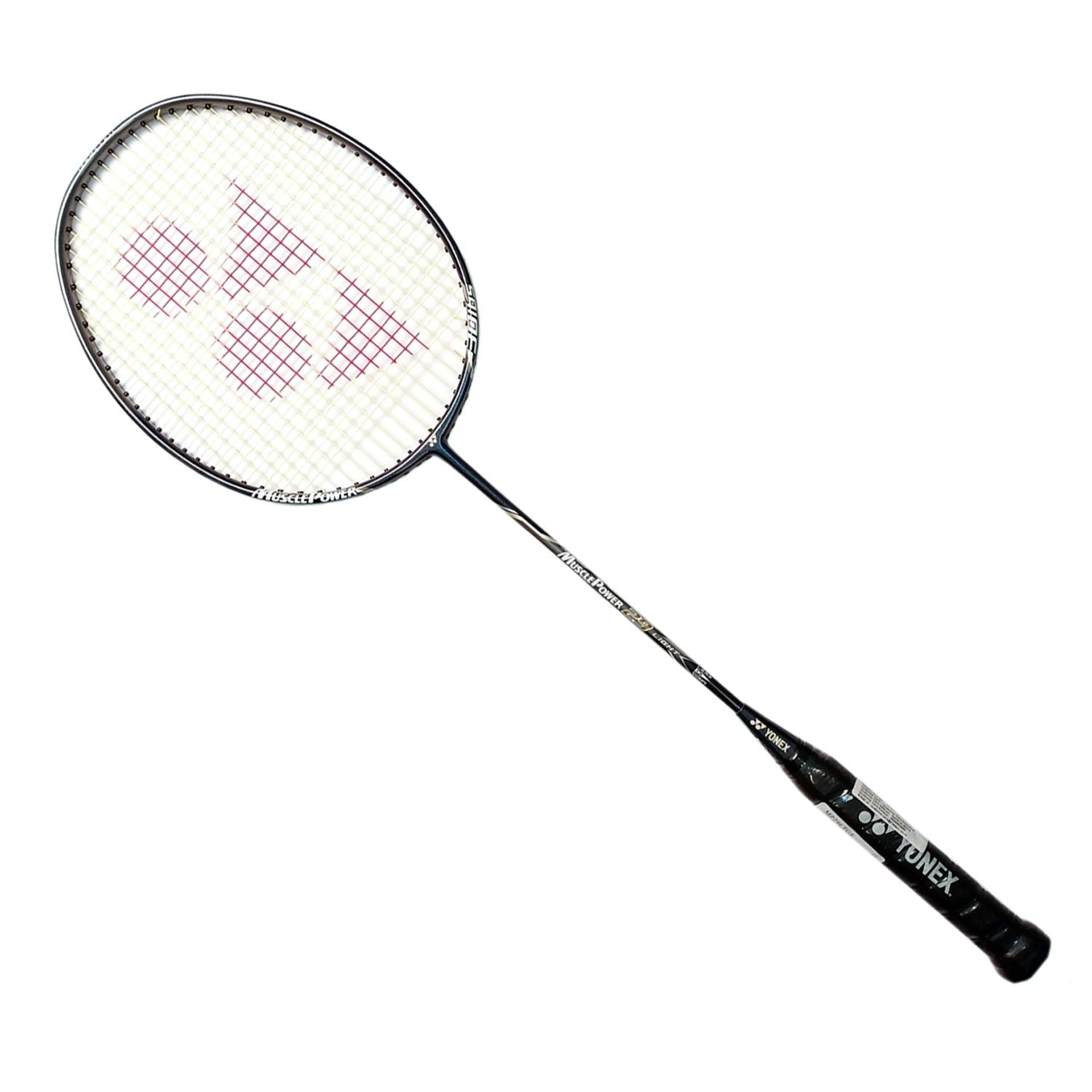 | BADMINTON RACQUETS Brand-YONEX Color - Dark Grey Frame Material - Graphite Shape - Isometric Material Type - Graphite, Carbon Fiber Skill Level - Intermediate... View product → |
The Decision: A Useful First Academy Racquet, Not a Universal One
Keep it if the player can complete a full academy session without wrist, elbow, or shoulder discomfort and still controls the racquet late in training. The right choice feels quick without feeling unstable.
Look for these signs:
- Clears reach the rear court without an exaggerated swing.
- Overhead preparation stays early when the player is tired.
- Drives and defensive blocks remain controlled after repeated mishits.
- The frame does not twist sharply when contact lands outside the sweet spot.
- The player finishes practice wanting more speed, not fighting fatigue from the racquet.
Do not upgrade merely because a stronger player can use higher string tension. Move to a heavier frame when the Muscle Power 29 Light repeatedly feels pushed backward on impact, loses length on clears despite sound technique, or forces the player to swing harder for solid attacking shots.
Those are stability and plough-through problems, not string-tension problems.
A 4U racquet is the logical next step for many developing academy players; choose a 3U frame when the player has the strength, timing, and conditioning to handle noticeably greater mass through long sessions. Test the replacement for an entire training session, not only a few smashes.
If timing becomes late or the arm tires quickly, the upgrade is premature.
That makes the Muscle Power 29 Light a useful starting frame, but not a permanent answer for every academy player.
Frequently asked questions
What does the Yonex Muscle Power 29 Light feel like on court?
At roughly 75–79 g unstrung, it feels quick to raise and reposition. Strings and an overgrip add weight while keeping preparation fast for clears, lifts and net interceptions.
Which academy players benefit from this light badminton racquet?
Developing academy players who need fast preparation and easy handling benefit most. Players who already hit hard or need greater stability may outgrow it.
How should you choose strings and grip for training?
Choose a forgiving string setup and a grip size that lets you hold the racquet securely without squeezing. Do not select maximum tension solely for more power or sharper feedback.
How can you test two actual racquets before buying?
Use both strung racquets for identical clears, lifts, defensive blocks and net shots. Compare timing, vibration, stability on off-centre hits and fatigue after repeated drills.